Leave A Message
If you are interested in our products and want to know more details,please leave a message here,we will reply you as soon as we can.

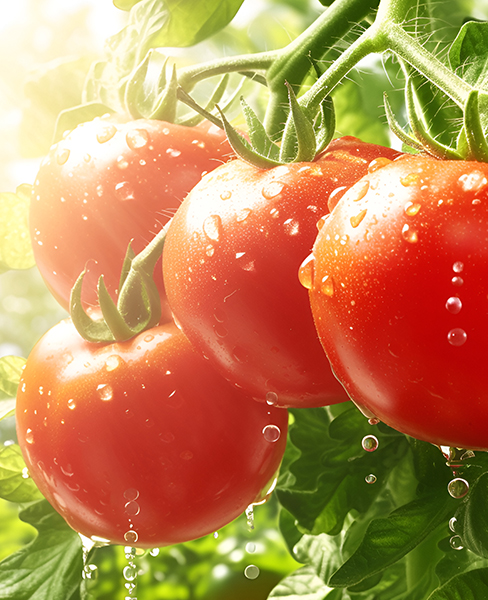
China accounts for a major share of the global tomato paste supply, offering competitive pricing, massive processing capacity, and high lycopene content due to unique growing climates. However, navigating quality specs, compliance, and logistics is essential for a smooth procurement process.
Below are the top factors to evaluate before placing an import order for Chinese tomato paste.
Tomato paste is primarily traded based on its Brix rating, which measures the total soluble solids (sugar content and density). Selecting the correct Brix depends entirely on your end-use application.
28-30% Brix (Concentrated): The most common standard for retail cans, sachets, and food service. Ideal for direct repacking or immediate food formulation.
36-38% Brix (High Concentrate): Primarily sold in 220L aseptic drums or 1,000L wooden bins. Preferred by B2B food manufacturers who re-dilute the paste to produce ketchup, sauces, or juices, saving significantly on ocean freight costs per solid ton.
The thermal processing method determines the viscosity, color, and texture of the final product:
| Feature | Hot Break (HB) | Cold Break (CB) |
| Heating Temp | Heated to ~95°C+ immediately after crushing | Heated to ~65–75°C after crushing |
| Pectin Enzyme | Deactivated (preserves natural pectin) | Retained slightly (enzymes break down pectin) |
| Viscosity/Texture | Thick, high viscosity | Lower viscosity, highly soluble |
| Best Used For | Ketchup, thick chili sauces, pasta sauces | Reconstituted tomato juice, soup bases |
The majority of China’s processing tomatoes are grown in Xinjiang and Inner Mongolia, regions characterized by long daylight hours, large daily temperature variations, and dry climates. These conditions naturally boost lycopene concentration and natural sugar levels while minimizing pesticide requirements.
When auditing supplier Certificates of Analysis (CoA), verify these key specs:
Bostwick Viscosity: Ensures proper flowability for your equipment.
Color (A/B Ratio): A higher A/B ratio (typically $\ge 2.0$) indicates a deep, desirable red color.
Howard Mould Count (HMC): Standard export limits generally require HMC under 40% or 50% to ensure fresh raw materials were processed.
pH Levels: Typically controlled between 4.0 and 4.4 for microbiological stability.
To clear customs smoothly and satisfy regional safety mandates (such as FDA in the US or EFSA in Europe), ensure your supplier holds:
Food Safety Systems: ISO 22000, FSSC 22000, or BRCGS certifications.
HACCP Compliance: Mandatory for processing hygiene auditing.
Specialized Standards: Halal, Kosher, and Organic (NOP/EU) certifications if required by your target market.
Third-Party Inspection: Require pre-shipment inspection reports from recognized bodies like SGS, Bureau Veritas (BV), or CCIC.
Packaging must protect product integrity during maritime transport while matching your facility's processing capabilities:
Bulk Industrial Packaging: 220L Aseptic Bags in Steel Drums or 1000L Wooden Bins/Pramibags. Perfect for B2B remanufacturers.
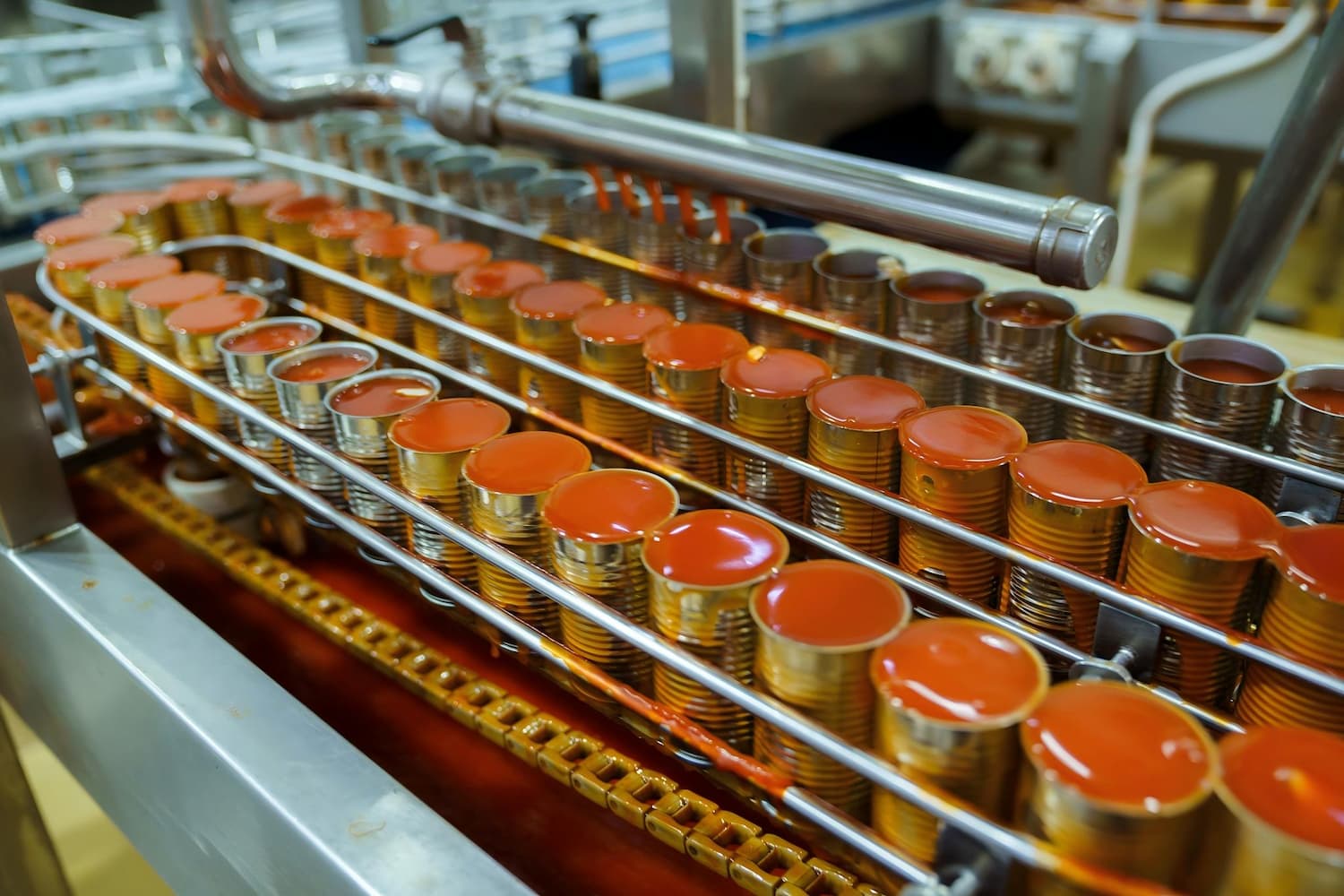
Retail & Foodservice Packaging: Lithographed Tin Cans (70g to 4.5kg) or Flexible Sachets (50g to 100g) with Easy-Open (EOE) or Hard-Open lids.
Logistics Tip: Pay attention to ocean container loading limits. Standard 20ft FCLs (Full Container Loads) are optimized for weight efficiency when carrying 80 drums (~24–25 metric tons net weight).
The fresh tomato harvesting and processing season in Northern China runs strictly from August to October.
Peak Buying Window: Finalizing contracts during or right before the harvest season ensures securing lower spot prices and guaranteed processing allocations.
Off-Season Supply: Buying late in the cycle means relying on existing warehouse stock, where prices may fluctuate based on global supply dynamics.
What is the shelf life of imported bulk Chinese tomato paste?
Aseptic bulk drums typically have a shelf life of 24 months when stored in cool, dry conditions below 25°C.
Can I order custom private-label packaging for canned tomato paste?
Yes, most OEM Chinese manufacturers offer custom lithographed printing on tin cans and master cartons subject to Minimum Order Quantity (MOQ) limits.


 English
 Français
 Deutsch
 Italiano
 Pусский
 Español
 Português
 Melayu
 Indonesia
 العربية