
Leave A Message
If you are interested in our products and want to know more details,please leave a message here,we will reply you as soon as we can.
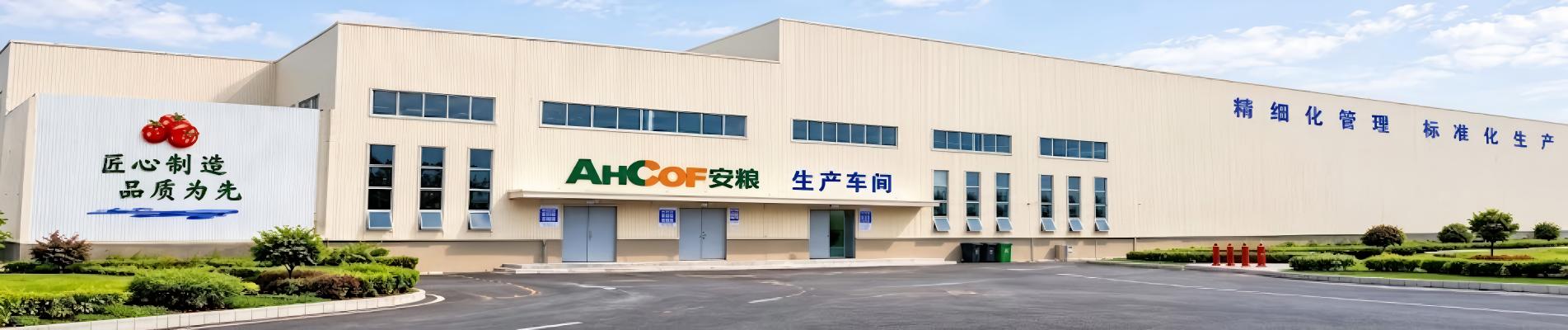
Comparing tomato paste quotations is not simply about choosing the supplier with the lowest price. For importers, wholesalers, food distributors, and food manufacturers, a reliable quotation should provide clear information about product specifications, Brix levels, packaging formats, minimum order quantities (MOQ), and international trade terms (Incoterms).
Two tomato paste suppliers may offer significantly different prices even when their products appear similar. Differences in tomato solids, concentration, packaging materials, filling methods, order quantities, and shipping responsibilities can all affect the final purchasing cost.
This guide explains how to compare tomato paste quotations accurately, identify hidden cost differences, and choose a suitable tomato paste manufacturer for long-term cooperation.
Brix is one of the most important factors affecting tomato paste quotations. It measures the soluble solids content of a product and is commonly used as an indicator of tomato paste concentration.
In general, higher Brix tomato paste contains more concentrated soluble solids and may require less product to achieve a similar formulation in certain food applications.
Common industrial tomato paste specifications include:
28–30% Brix: Commonly used in food processing and bulk ingredient applications.
36–38% Brix: A higher-concentration option for applications requiring concentrated tomato ingredients.
However, Brix alone does not determine product quality. Buyers should also compare the following specifications:
Color: Assess the natural red color and consistency between batches.
Consistency: Check viscosity, texture, and suitability for the intended application.
Acidity: Compare pH and titratable acidity where relevant.
Processing method: Confirm whether the product is Cold Break (CB) or Hot Break (HB).
Microbiological standards: Review applicable food safety and microbiological requirements.
Cold Break and Hot Break tomato paste can have different functional characteristics. Hot Break processing generally helps retain a thicker consistency, while Cold Break processing is often selected for applications requiring a more concentrated tomato flavor and color.
Buyer tip: When requesting quotations, specify the required Brix, processing method, color expectations, and consistency. Comparing prices without matching these specifications can lead to misleading purchasing decisions.
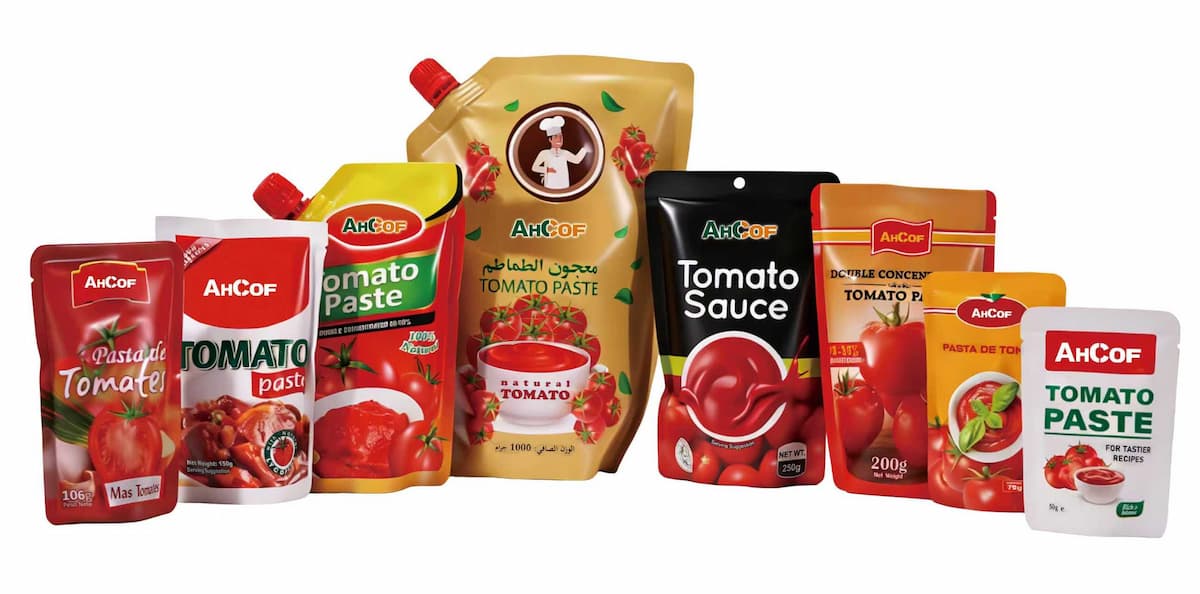
Packaging is another major factor affecting tomato paste quotations. Different packaging formats involve different material costs, filling processes, transportation requirements, and storage conditions.
Common tomato paste packaging options include:
| Packaging Type | Common Applications | Key Considerations |
|---|---|---|
| Sachets and pouches | Retail sales and food service | Flexible sizes, convenient handling, and customized printing |
| Tinplate cans | Retail and wholesale distribution | Durable packaging and multiple filling sizes |
| Plastic bottles and jugs | Retail and food service | Convenient dispensing and resealable packaging |
| Large drums | Industrial food manufacturing | Bulk transportation and ingredient processing |
For retail and distribution markets, buyers may request small sachets such as 50g, 70g, or 100g, depending on local market demand. Larger pouches and cans can serve catering businesses, wholesalers, and food manufacturers.
When comparing packaging quotations, check:
Packaging material and thickness.
Net weight and filling tolerance.
Packaging design and printing costs.
Individual packaging versus bulk carton packing.
Carton specifications and units per carton.
Palletization and container loading arrangements.
Shelf life and recommended storage conditions.
A supplier offering a lower unit price may use different packaging materials or carton specifications. Therefore, buyers should compare quotations using the same packaging format, net weight, and packing configuration.
Buyer tip: Ask suppliers to quote the same packaging specifications and clearly separate product costs from any additional printing, packaging, or customization charges.
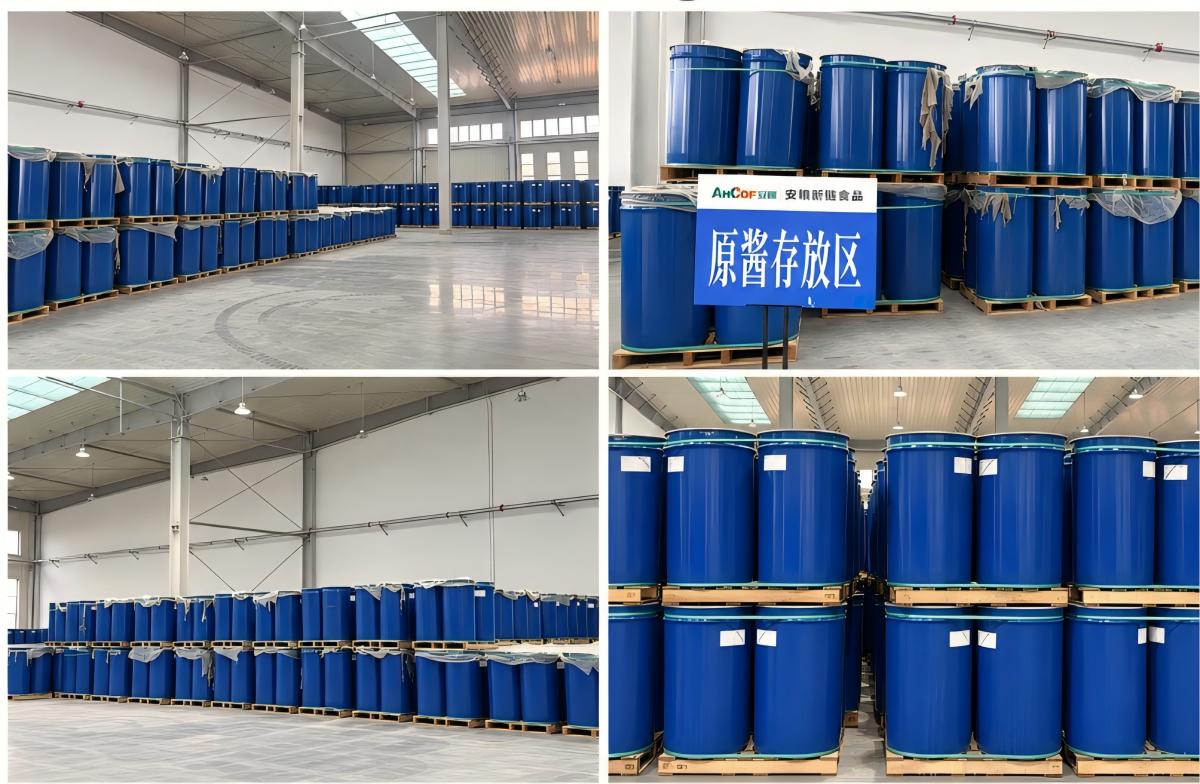
MOQ, or Minimum Order Quantity, refers to the smallest quantity a supplier is willing to accept for a particular order.
Tomato paste manufacturers may set different MOQs depending on packaging formats, production lines, customized printing requirements, and raw material arrangements.
For example, customized sachet packaging may require a different MOQ from standard bulk tomato paste in drums. Printed packaging materials may also involve minimum production quantities.
When comparing MOQ requirements, consider:
Minimum quantity per product specification.
Minimum quantity per packaging size.
MOQ for customized packaging and private-label orders.
Whether different SKUs can be combined in one shipment.
Sample availability before bulk production.
Additional costs for smaller production runs.
It is important to distinguish between a low MOQ and a low total purchasing cost. A supplier may accept smaller orders but charge a higher unit price because of production setup, packaging, or material costs.
Buyer tip: Ask for a quotation based on several order quantities, such as one trial order and larger repeat orders. This helps you understand how unit prices change with order volume.
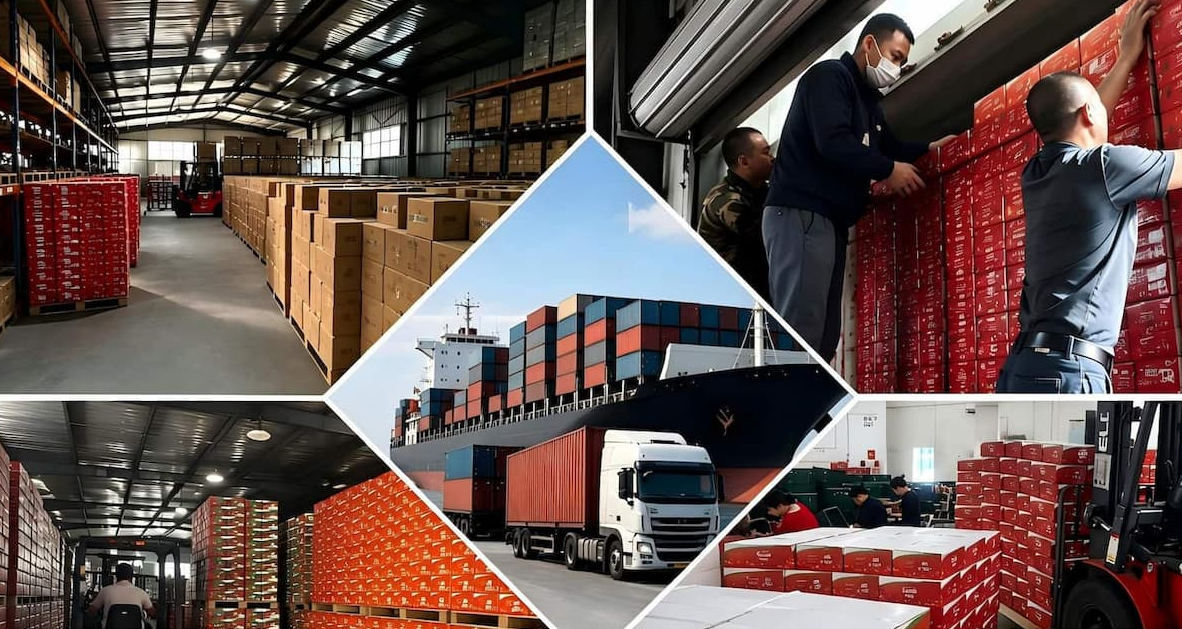
Incoterms define the responsibilities of buyers and sellers in international trade, including delivery arrangements, transportation costs, risk transfer, and certain export or import formalities.
Different Incoterms can make two quotations appear very different even when the underlying product price is similar.
The most commonly requested terms for tomato paste exports include:
| Incoterm | Seller's Main Responsibility | What Buyers Should Consider |
|---|---|---|
| EXW | Makes goods available at the agreed premises | Buyer arranges collection and most transportation responsibilities |
| FOB | Delivers goods on board the nominated vessel at the named port of shipment | Buyer arranges and pays for main sea freight |
| CFR | Pays the cost of freight to the named destination port | Buyer should account for insurance and destination-related costs |
| CIF | Pays cost, insurance, and freight to the named destination port | Check insurance coverage and destination-related charges |
Under FOB, the buyer generally arranges the main ocean freight and insurance. Under CIF, the seller arranges and pays for freight and the required insurance to the named destination port, but risk transfers when the goods are loaded on board the vessel at the port of shipment.
Buyers should also understand that destination port charges, customs duties, import taxes, and local transportation may not be included in the quoted price.
Buyer tip: Always compare quotations under the same Incoterm and named port. For example, comparing FOB Shanghai with CIF Lagos is not an accurate direct price comparison.
The cheapest quotation does not necessarily represent the lowest overall purchasing cost.
For importers, the total landed cost provides a more realistic basis for evaluating suppliers. It considers the purchase price together with relevant transportation, insurance, customs, and handling expenses.
A simplified landed cost calculation is:
Total Landed Cost = Product Cost + Export and Shipping Costs + Insurance + Import Duties and Taxes + Destination Handling and Inland Transportation
The exact cost components depend on the agreed Incoterm, destination country, customs requirements, and local charges.
For a fair comparison, buyers should calculate the cost per kilogram or per metric ton using the same product specifications and delivery conditions.
For concentrated tomato paste, it may also be useful to compare the cost relative to the required tomato solids or the amount needed in the final food formulation. This provides a more meaningful comparison when suppliers offer different Brix levels.
Buyer tip: Request a clear breakdown of product price, packaging cost, freight, insurance, and any additional charges instead of relying only on the quoted price per carton or container.
A competitive quotation should also be supported by a supplier capable of delivering consistent product quality and reliable shipments.
For long-term import and wholesale cooperation, buyers should evaluate the manufacturer's production capabilities, quality management systems, and export experience.
Important questions include:
Does the supplier operate its own tomato paste production facility?
Can it provide stable Brix, color, and consistency across batches?
Does it have standardized raw material sourcing and traceability procedures?
Can it provide relevant food safety certifications and inspection documents?
Does it support OEM, ODM, and private-label packaging?
Can it meet the buyer's production schedule and shipment requirements?
Does it have experience exporting to the target market?
Buyers should request relevant product specifications, certificates, sample products, and quality inspection reports before placing a large order.
A professional tomato paste manufacturer should be able to explain its production process, product specifications, packaging options, and quality control procedures clearly.
To avoid overlooking important details, importers can use a standardized comparison checklist when evaluating multiple suppliers.
| Comparison Item | What Buyers Should Confirm |
|---|---|
| Product Type | Tomato paste, tomato sauce, or other tomato products |
| Brix | 28–30%, 36–38%, or other required specifications |
| Processing Method | Cold Break or Hot Break |
| Color and Consistency | Agreed product quality requirements |
| Packaging | Sachet, pouch, tinplate can, plastic bottle, or drum |
| Net Weight | Exact weight per unit |
| MOQ | Minimum order per SKU and packaging format |
| Unit Price | Price per kilogram, carton, or metric ton |
| Incoterms | EXW, FOB, CFR, or CIF |
| Loading Port | Named port of shipment |
| Delivery Time | Production lead time and estimated shipping schedule |
| Shelf Life | Confirmed shelf life and storage requirements |
| Certifications | Applicable food safety and quality documents |
| Customization | OEM, ODM, private label, and packaging printing |
Using the same checklist for every supplier makes quotations easier to compare and helps buyers identify differences that may otherwise be overlooked.
Choosing the right tomato paste supplier is not only about obtaining a competitive quotation. It is also about establishing a dependable supply chain that supports consistent product quality, flexible packaging, and long-term business growth.
As an experienced tomato paste manufacturer and exporter, Zasavor provides tomato paste solutions for international importers, wholesalers, distributors, and food manufacturers.
Our product and customization capabilities include:
Multiple Brix Options: Tomato paste specifications for different industrial and commercial applications.
Flexible Packaging: Sachets, pouches, tinplate cans, plastic bottles, plastic jugs, and large industrial drums.
OEM and ODM Services: Customized packaging, private-label solutions, and product specifications.
Bulk Supply: Manufacturing and export solutions for wholesale and industrial buyers.
Quality Control: Standardized production procedures and product quality inspection.
Export Support: Assistance with product specifications, packaging requirements, and international shipment arrangements.
Whether you are sourcing retail tomato paste sachets for African markets, bulk tomato paste for food processing, or customized tomato products for regional distribution, selecting the right specifications is the first step toward a successful purchasing decision.
The main factors include Brix level, product specifications, processing method, packaging materials, order quantity, customization requirements, production costs, and Incoterms. Shipping costs and destination-related expenses can also influence the final purchasing cost.
Not necessarily on a per-kilogram basis. Higher Brix tomato paste generally contains more concentrated soluble solids, but actual prices depend on raw material costs, processing efficiency, product specifications, and market conditions. Buyers should compare the cost based on the required application rather than Brix alone.
FOB means the seller delivers the goods on board the vessel at the named port of shipment, while the buyer arranges the main sea freight. CIF means the seller also pays for freight and insurance to the named destination port. However, risk transfers to the buyer once the goods are loaded on board under both terms.
The appropriate MOQ depends on your sales volume, packaging requirements, inventory capacity, and market demand. Buyers starting a new market or testing a product may prefer a smaller trial order, while established importers can negotiate larger quantities for more competitive unit pricing.
Buyers should provide the required Brix, processing method, packaging type, net weight, estimated order quantity, destination country or port, preferred Incoterm, and any OEM or private-label requirements. More detailed information helps manufacturers prepare accurate and comparable quotations.
Yes. Many manufacturers offer OEM and ODM services, including customized sachets, pouches, tinplate cans, and plastic packaging. MOQ, printing requirements, packaging materials, and production lead times should be confirmed before placing an order.
Comparing tomato paste quotations requires more than checking the lowest price. Buyers should evaluate Brix, product specifications, packaging, MOQ, Incoterms, landed costs, and supplier capabilities together.
A standardized quotation comparison process helps importers reduce purchasing risks, control costs, and select a reliable tomato paste manufacturer for long-term cooperation.
Looking for a reliable tomato paste manufacturer and exporter? Contact Zasavor to discuss your required Brix, packaging format, order quantity, and destination market. Our team can help you find a suitable tomato paste solution for your business.


 English
 Français
 Deutsch
 Italiano
 Pусский
 Español
 Português
 Melayu
 Indonesia
 العربية