Leave A Message
If you are interested in our products and want to know more details,please leave a message here,we will reply you as soon as we can.

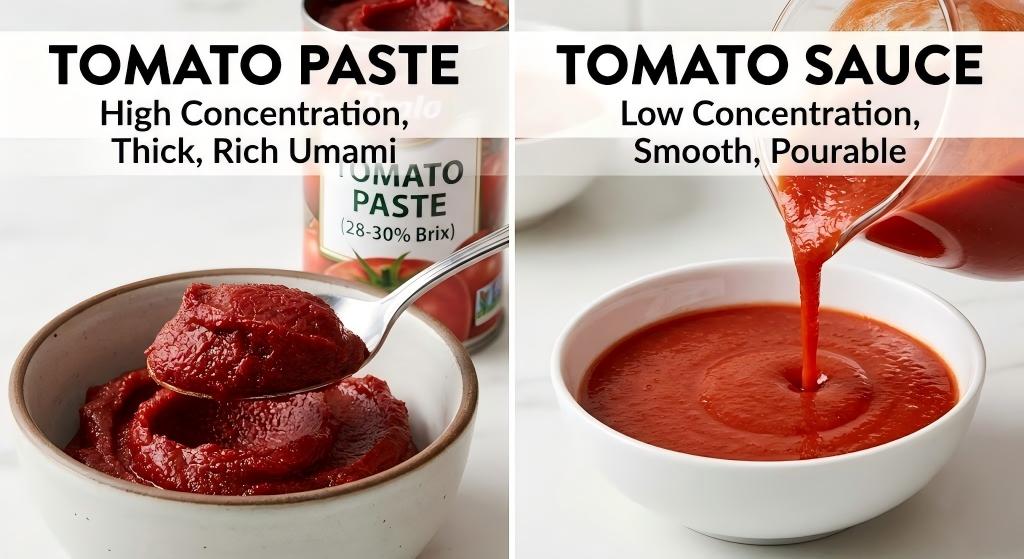
Wondering about the difference between tomato paste and tomato sauce? Discover their key differences in Brix concentration, flavor profiles, substitution ratios, and cooking tips. Elevate your culinary dishes with Zasavor!
Standing in the grocery aisle or preparing ingredients for a rich Italian dinner, you’ve likely found yourself staring at cans of tomato paste and tomato sauce, wondering: Can I use one in place of the other? Are they really that different?
While both originate from fresh, ripe tomatoes, tomato paste and tomato sauce are two distinctly different culinary ingredients. Using the wrong one can drastically alter the texture, moisture level, and flavor profile of your dish. In this comprehensive guide, we’ll break down the exact differences between tomato paste and tomato sauce, how to substitute them in a pinch, and why high-quality tomato products make all the difference in your kitchen.
1. What Is Tomato Paste?
Tomato paste is a thick, ultra-concentrated, and deeply flavorful tomato reduction. It is crafted by cooking down fresh tomatoes for hours to reduce their water content, straining out seeds and skins, and continuing to simmer until a dense paste forms.
①Texture & Appearance: Thick, deep dark crimson, and firm enough to hold its shape on a spoon.
②Concentration (Brix Level): Highly concentrated—typically between 28% to 30% Brix (or double-concentrated).
③Flavor Profile: Intensely savory, rich in natural umami, slightly sweet, and robustly acidic.
④Ingredients: Pure tomatoes, sometimes with a touch of salt or natural acidity regulators. Unseasoned.
2. What Is Tomato Sauce?
Tomato sauce is a pourable, lighter, and ready-to-eat cooked liquid sauce. It is made by simmering tomatoes for a shorter period, retaining a high water content, and blending in seasonings and aromatics.
①Texture & Appearance: Smooth, liquid, and easily pourable.
②Concentration (Brix Level): Low concentration—usually around 8% to 12% Brix.
③Flavor Profile: Mild, fresh tomato flavor with noticeable notes of herbs and spices.
④Ingredients: Cooked tomatoes or tomato puree blended with water, salt, garlic, onion, oregano, basil, and olive oil.
|
Feature |
Tomato Paste |
Tomato Sauce |
|
Consistency |
Thick, dense, spoonable |
Smooth, thin, pourable |
|
Solids Concentration (Brix) |
High (28% – 30% Brix) |
Low (8% – 12% Brix) |
|
Flavor Profile |
Concentrated umami, intense |
Mild, seasoned, fresh tomato flavor |
|
Seasonings |
Unseasoned (pure tomato) |
Pre-seasoned (herbs, garlic, onion) |
|
Primary Culinary Use |
Thickening, flavor base, rich color |
Base sauce for pasta, pizza, casseroles |
|
Cooking Requirement |
Best if "bloomed" in oil first |
Ready to heat and serve |
4. Can You Substitute Tomato Paste for Tomato Sauce?
Yes! If a recipe calls for one and you only have the other in your pantry, you can easily substitute with a few simple adjustments. How to Turn Tomato Paste into Tomato Sauce.
If you need 1 cup of tomato sauce:
①Mix 1/2 cup of tomato paste with 1/2 cup of warm water.
②Whisk thoroughly until smooth.
③Season with a pinch of salt, dried oregano, garlic powder, or olive oil to match the flavor profile of traditional tomato sauce.
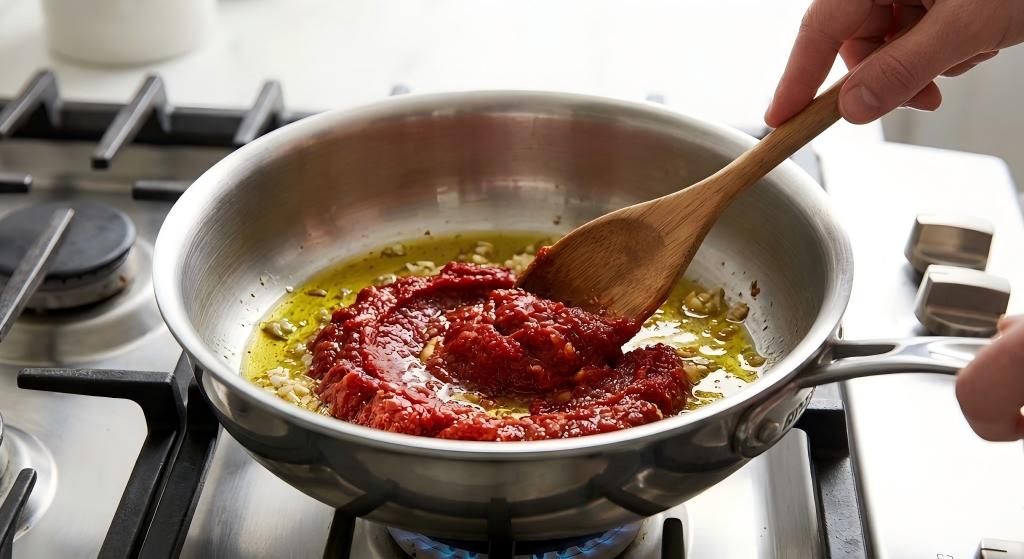
How to Turn Tomato Sauce into Tomato Paste
If you need tomato paste:
①Pour 1 cup of tomato sauce into a small saucepan over medium-low heat.
②Simmer gently while stirring continuously to prevent burning. Reduce until two-thirds of the ③liquid evaporates, leaving a thick paste.
Pro Chef Tip: How to "Bloom" Tomato Paste
Never drop raw tomato paste directly into soups or stews at the very end. For maximum flavor, sauté your tomato paste in olive oil or butter alongside garlic and onions for 1–2 minutes before adding liquid ingredients. This caramelizes the natural sugars and removes raw metallic notes!
5.Why Quality Matters:The Zasavor Difference
Whether you are running a restaurant, manufacturing food products, or cooking for your family at home, the foundational quality of your tomato base dictates the ultimate taste of your food.
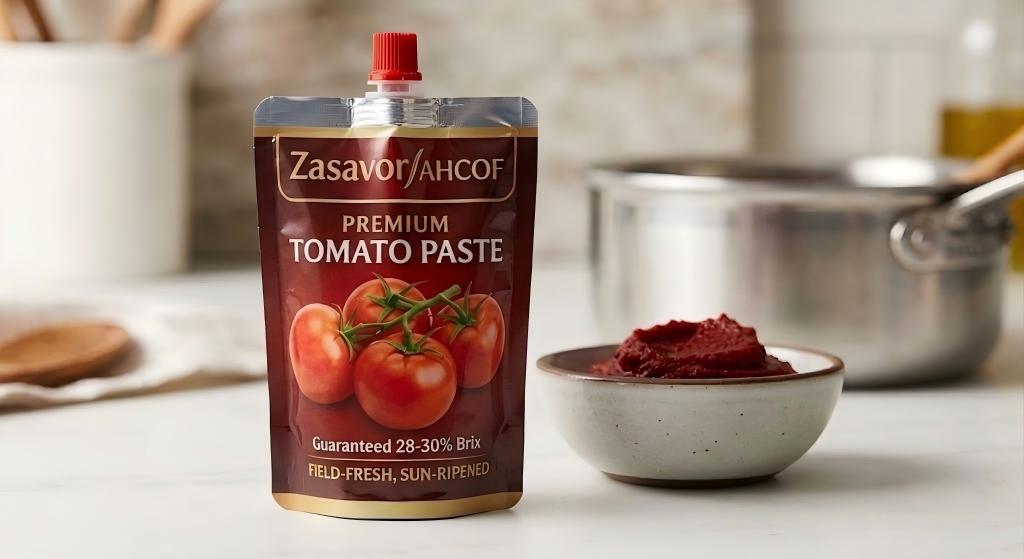
At Zasavor (https://www.zasavorpure.com/), we take pride in delivering field-fresh, sun-ripened tomato products crafted to perfection:
①100% Sun-Ripened Tomatoes: Harvested at peak maturity to lock in rich color and natural sweetness.
②Strict Brix Quality Control: Guaranteed 28–30% concentration for maximum richness and efficiency in every recipe.
③Pure & Clean Ingredients: Free from artificial colors, flavors, or fillers—delivering pure, authentic taste.
④Flexible Supply Solutions: Perfect for home kitchens, food service, and wholesale distribution worldwide.
Conclusion Understanding the difference between tomato paste and tomato sauce allows you to take control of your cooking. Tomato paste builds rich, intense flavor foundations and thickens sauces, while tomato sauce provides quick, seasoned convenience for your everyday meals.
Ready to taste the authentic difference in your recipes? Explore our range of premium tomato products at Zasavor today!


 English
 Français
 Deutsch
 Italiano
 Pусский
 Español
 Português
 Melayu
 Indonesia
 العربية