
Leave A Message
If you are interested in our products and want to know more details,please leave a message here,we will reply you as soon as we can.
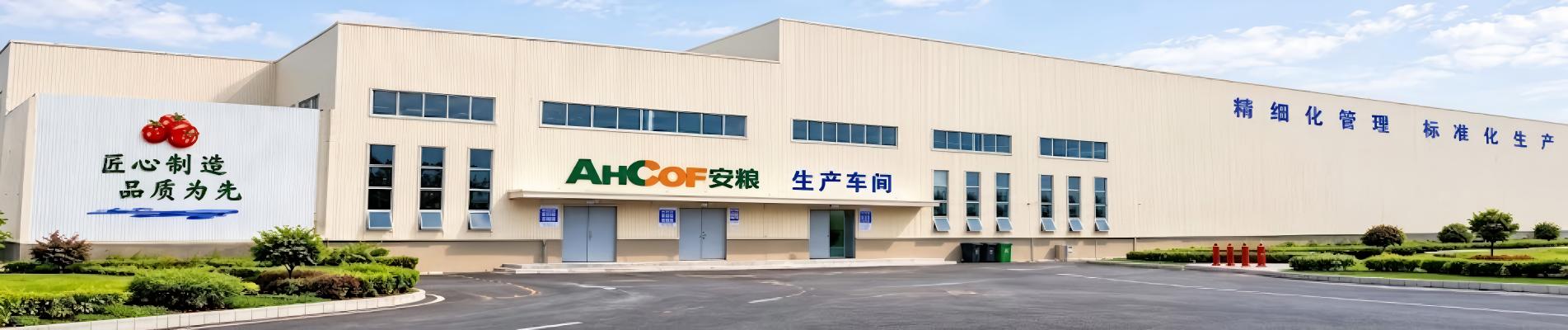
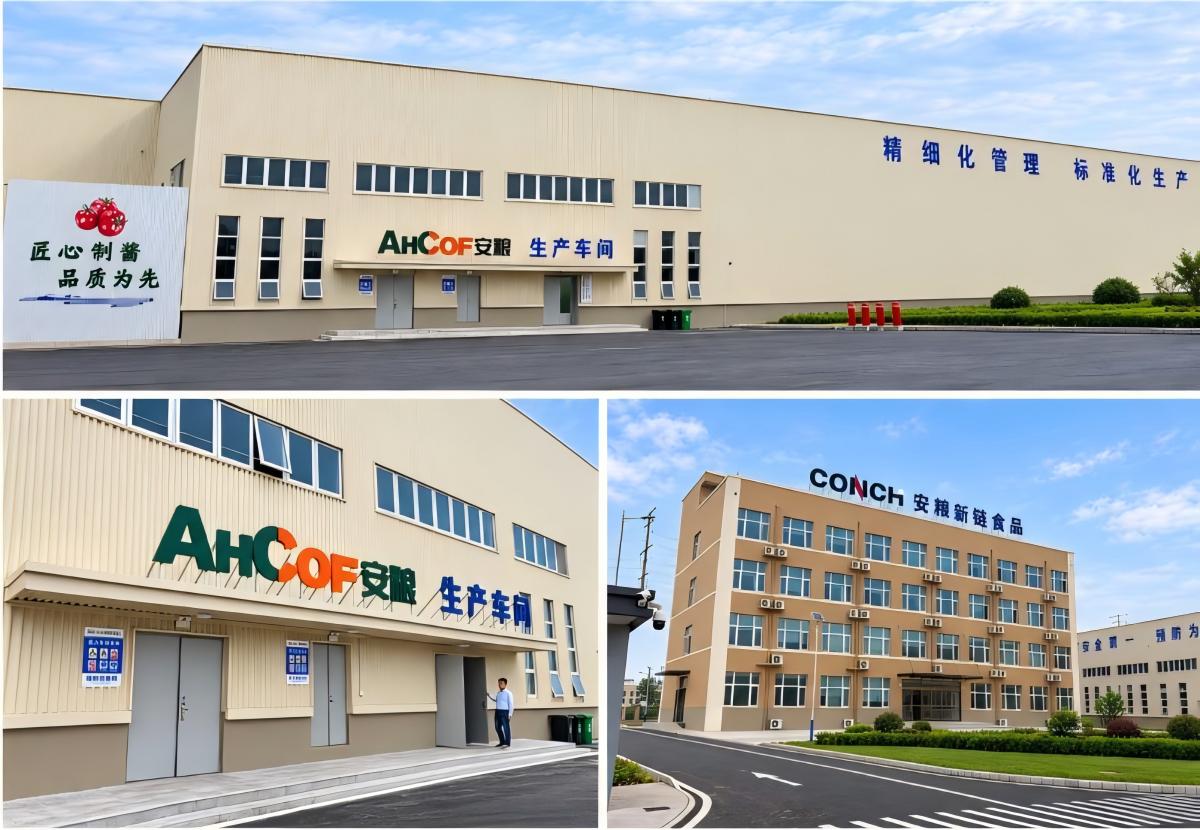
The global tomato paste market continues to demand reliable supply, consistent product quality, and flexible packaging solutions. For importers, food distributors, wholesalers, and private-label brands, a supplier's production capacity is becoming an increasingly important factor when planning long-term purchasing and managing seasonal demand.
With the launch of its new tomato processing facility in Chizhou, Anhui, China, AHCOF (Zasavor) is strengthening its manufacturing capabilities and supporting its commitment to serving international customers. The new facility brings together modern production infrastructure, automated sachet filling lines, quality control procedures, and dedicated warehousing and packing areas to support commercial tomato paste orders.
For international buyers, additional production capacity means more than a larger factory. It can create greater flexibility in production scheduling, help suppliers manage overlapping orders, and support purchasing plans across different markets.
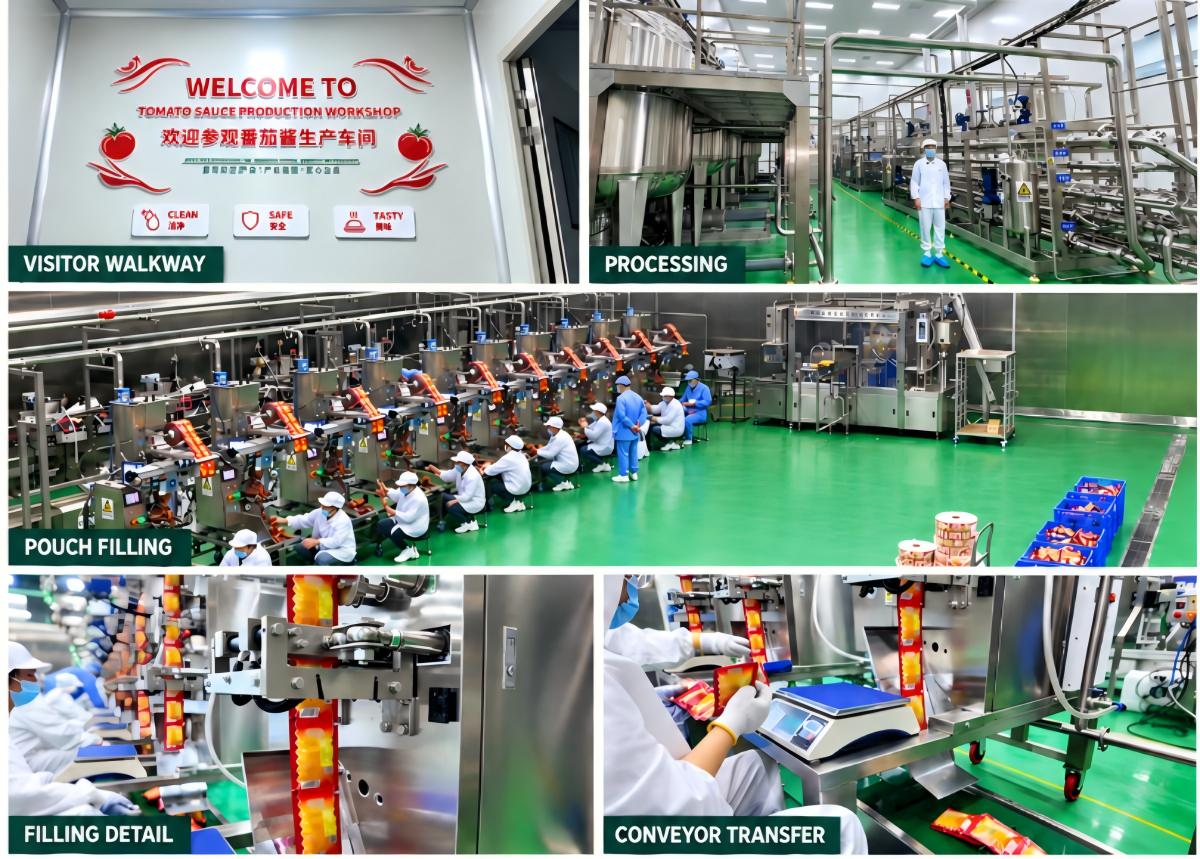
The new facility features a dedicated production environment with stainless-steel processing equipment, automated filling and sealing machinery, and organized production areas. These facilities are designed to support efficient operations and the manufacture of tomato-based products for international supply.
For distributors and importers in Africa, the Middle East, Southeast Asia, and other export markets, this expansion strengthens the manufacturing foundation behind future cooperation. Buyers planning seasonal promotions, new product launches, or recurring wholesale orders can discuss their forecast volumes and delivery schedules with the AHCOF (Zasavor) team.
Sachet tomato paste remains an important packaging format in many price-sensitive retail markets. Small portions are convenient for everyday cooking, while linked sachets and other flexible packaging options can support different retail and distribution requirements.
At the new facility, the production workflow includes automated pouch filling and sealing, conveyor transfer, weighing, product inspection, and packing operations. These processes help organize high-volume production and support consistent handling throughout the packaging process.
For B2B buyers, the practical advantages include:
Flexible packaging options: Support for sachets and other suitable packaging formats according to product specifications.
Efficient production workflows: Automated filling, sealing, and conveying equipment helps streamline repetitive production operations.
Organized product inspection: Inspection and weighing steps help support product consistency and packaging checks.
Commercial order support: Production planning can be discussed according to order volume, packaging requirements, and delivery schedules.
Whether you are sourcing 50g tomato paste sachets, linked sachets, or other customized retail formats, packaging specifications and order requirements can be discussed with the sales team.
For overseas buyers, dependable quality is essential when selecting a long-term tomato paste manufacturer. Product consistency, packaging integrity, and appropriate process controls all influence the reliability of a supply relationship.
The new facility incorporates defined production procedures and quality checkpoints covering raw material acceptance, processing, packaging material inspection, filling, sealing, and finished-product handling.
The production process also includes checks on product specifications, with measurements such as Brix helping buyers evaluate soluble solids content according to their intended applications and agreed product requirements.
Different buyers may require different specifications depending on whether the tomato paste is intended for retail sales, foodservice, or further food processing. AHCOF (Zasavor) can discuss relevant product parameters, packaging requirements, and quality documentation with customers before an order is confirmed.
A structured production and inspection workflow provides a practical foundation for repeat orders, particularly for importers and private-label brands that need consistent specifications across multiple shipments.
Manufacturing capacity is only one part of export supply. Warehousing, finished-product handling, carton packing, and shipment preparation also matter when buyers need to coordinate purchasing schedules with local distribution plans.
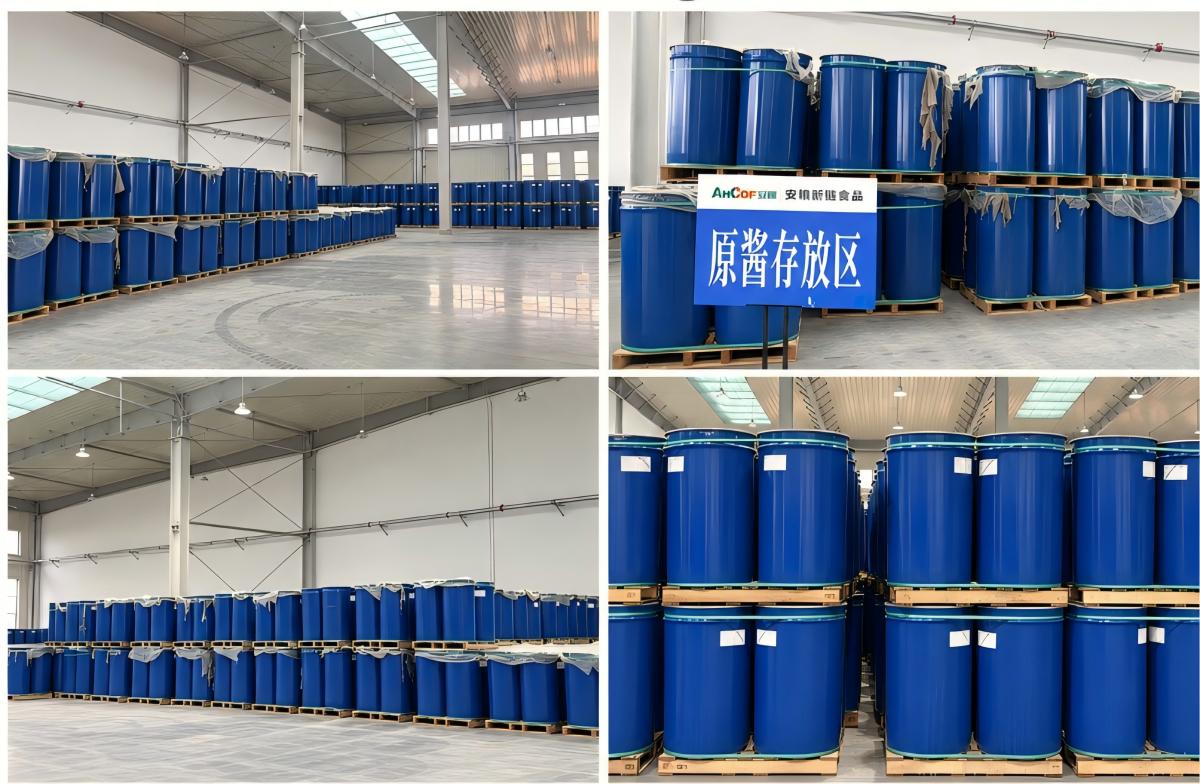
The new facility includes dedicated packing areas, warehouse space, and organized storage for finished goods. These areas support the handling of packed products as they move from production and inspection toward shipment preparation.
The facility also includes a designated storage area for tomato paste held in large drums for industrial and bulk applications.
For buyers, effective coordination between production, storage, and packing can help suppliers plan orders more systematically. Final lead times and shipment arrangements will still depend on order size, product availability, packaging specifications, and logistics conditions.
Importers are encouraged to share their expected purchasing volumes and target shipment dates early so that production and delivery plans can be evaluated in advance.
Packaging preferences vary considerably between countries, distribution channels, and end-use applications. A retail importer may prioritize affordable portion packs, while a food manufacturer may require bulk tomato paste for further processing.
AHCOF (Zasavor) supports discussions around different packaging requirements, including:
Sachet tomato paste: Small portion packs for retail distribution and everyday cooking.
Linked sachets: Connected portions suited to selected retail and market requirements.
Tinplate cans: Packaging options for retail and foodservice applications, subject to available specifications.
Plastic bottles and plastic jugs: Suitable formats for selected tomato paste and tomato sauce products.
Bulk tomato paste in drums: Options for industrial buyers and food manufacturers requiring larger quantities of raw material.
Available formats, fill weights, carton configurations, and customization options should be confirmed according to the specific product and order.
For private-label customers, the team can also discuss OEM/ODM cooperation, packaging artwork, product specifications, and other requirements subject to production feasibility and minimum order quantities.
The value of a manufacturing expansion ultimately depends on how well it supports buyers' commercial objectives. For international customers, the new facility provides a stronger production base from which to discuss several important purchasing priorities.
Supply planning: Additional manufacturing infrastructure supports production planning for different order volumes and market requirements.
Product consistency: Defined production procedures and quality checkpoints help support repeatable specifications across orders.
Packaging flexibility: Buyers can discuss retail sachets, linked packs, selected bottled formats, cans, and bulk packaging according to their target markets.
Long-term cooperation: Importers, wholesalers, distributors, and private-label brands can explore recurring supply arrangements based on forecast demand and agreed specifications.
The expansion does not remove the need for order-specific planning. Lead times, available capacity, minimum order quantities, and shipment dates should be confirmed directly for each project. However, a modern production and warehousing setup provides an important foundation for building a more dependable supply relationship.
As an experienced tomato paste manufacturer and exporter, AHCOF (Zasavor) works with international customers seeking commercial tomato paste, tomato sauce, and related tomato-based products.
The new facility in Chizhou, Anhui, represents another step in the company's manufacturing development. By bringing production equipment, quality control procedures, packaging operations, and warehousing together, the facility strengthens the operational foundation for serving buyers across global markets.
Whether you are sourcing bulk tomato paste for industrial processing, sachet tomato paste for retail distribution, or customized products for your own brand, our team welcomes inquiries from importers, distributors, wholesalers, and food manufacturers.
Looking for a reliable tomato paste supplier in China?
Contact AHCOF (Zasavor) to discuss your product specifications, Brix requirements, packaging options, target order volume, and delivery schedule. Our team can help evaluate a suitable solution for your market and purchasing needs.


 English
 Français
 Deutsch
 Italiano
 Pусский
 Español
 Português
 Melayu
 Indonesia
 العربية